


-

Add: HeBei ShengShi HongBang Cellulose Technology CO.,LTD.
-

Email
13180486930@163.com -

CONTACT US
+86 13180486930



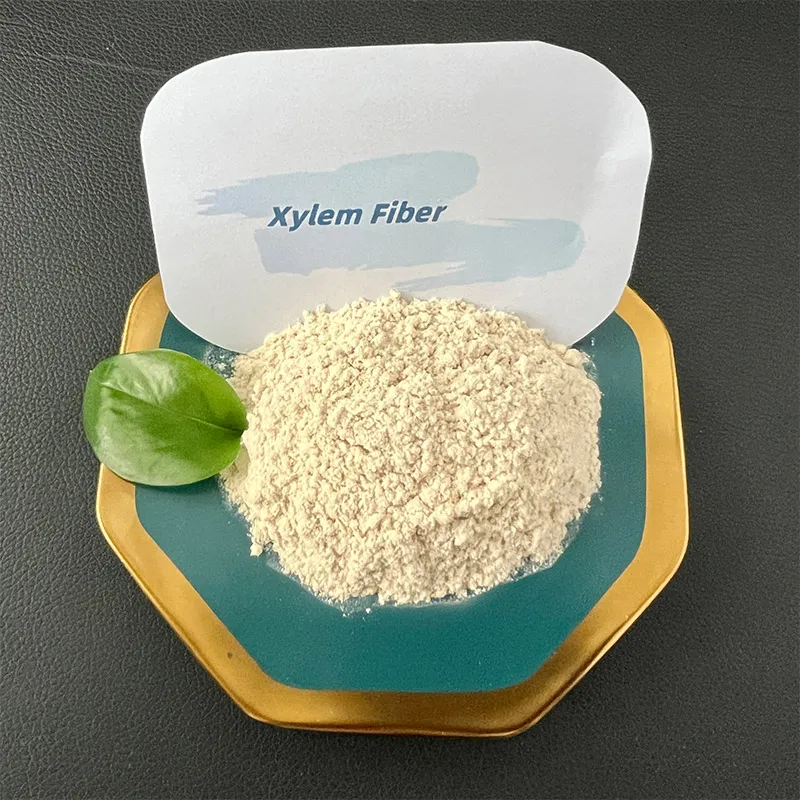
wood cellulose,xylem fiber,fibre made from wood pulp,cellulose extraction from wood,cellulose wood fibers is a key solution in the manufacturing industry, specifically within Paper and paper products industry and Pulp manufacturing. This article explores how HeBei ShengShi HongBang Cellulose Technology CO.,LTD. supports professionals with durable, high-performance products, and explains why this product is an ideal choice for businesses in these sectors. Table of Contents wood cellulose,xylem fiber,fibre made from wood pulp,cellulose extraction from wood,cellulose wood fibers Overview Benefits & Use Cases of wood cellulose,xylem fiber,fibre made from wood pulp,cellulose extraction from wood,cellulose wood fibers in Pulp manufacturing Cost, Maintenance & User Experience Sustainability & Market Trends in manufacturing Conclusion on wood cellulose,xylem fiber,fibre made from wood pulp,cellulose extraction from wood,cellulose wood fibers from HeBei ShengShi HongBang Cellulose Technology CO.,LTD. wood cellulose,xylem fiber,fibre made from wood pulp,cellulose extraction from wood,cellulose wood fibers Overview In pulp manufacturing, wood cellulose—often described as xylem fiber or cellulose wood fibers—forms the backbone of paper strength, formation, and runnability. As a fibre made from wood pulp, it is derived through controlled cellulose extraction from wood, typically via kraft or sulfite pulping, followed by mechanical refining, classification, and optional surface modification. The result is a clean, consistent fiber matrix engineered to optimize dry and wet strength, drainage, and filler retention across a wide range of grades. HeBei ShengShi HongBang Cellulose Technology CO.,LTD. supplies high-purity wood cellulose designed for industrial reliability and reproducibility. Typical technical parameters can include low ash content, neutral pH, controlled moisture, and tightly managed fiber length distribution to balance bonding with drainage. Many customers specify tailored properties—such as targeted freeness, fibrillation level, or brightness—to suit tissue, printing/writing, specialty, and packaging applications. For B2B decision makers, the relevance is clear: properly specified xylem fiber stabilizes wet-end chemistry, improves machine productivity, and reduces variability in downstream converting. Paired with application support from HeBei ShengShi HongBang Cellulose Technology CO.,LTD., mills can translate material performance into measurable operational gains and predictable product quality. Benefits & Use Cases of wood cellulose,xylem fiber,fibre made from wood pulp,cellulose extraction from wood,cellulose wood fibers in Pulp manufacturing Across pulp and paper operations, precision-engineered wood cellulose and xylem fiber deliver a portfolio of benefits. At the wet end, optimized fibrillation increases bonding potential, elevating tensile, SCT, and burst without excessive fines generation. These cellulose wood fibers also improve drainage and dewatering, supporting higher machine speeds and reduced steam demand in drying. In filled systems, they enhance filler retention and sheet formation, often enabling higher ash targets without compromising strength. Use cases include strength enhancement in recycled-fiber packaging, softness-to-strength balancing in tissue and towel, dimensional stability in printing/writing papers, and functional performance in specialty grades (from filtration papers to battery separators). When combined with starch, AKD/ASA, or synthetic latex systems, a fibre made from wood pulp can unlock synergistic strength and sizing performance. HeBei ShengShi HongBang Cellulose Technology CO.,LTD. brings process know-how that spans raw material selection, cellulose extraction from wood, and finishing operations that control fiber morphology. This expertise helps mills match fiber specifications to grade targets, seasonality, and furnish composition—minimizing trial time and accelerating ROI. Technical teams can advise on dosage windows, dispersion protocols, and compatibility with existing retention and wet-strength chemistries. Cost, Maintenance & User Experience Total cost of ownership for wood cellulose in pulp manufacturing hinges on more than price-per-ton. Mills evaluate the impact on chemical consumption, steam and power usage, machine runnability, and waste reduction. Consistent xylem fiber quality can reduce sheet breaks, stabilize basis weight, and increase first-pass retention—value drivers that translate into lower cost-per-ton of saleable paper. Operationally, modern cellulose wood fibers from HeBei ShengShi HongBang Cellulose Technology CO.,LTD. are engineered for easy handling. They are supplied in flow-friendly packaging with good dispersibility, reducing make-down time and minimizing equipment fouling. Customers in the Paper and paper products industry report smoother startups, predictable refiners’ energy profiles, and improved wet-end stability when switching to a fibre made from wood pulp with tighter spec control. From a user-experience standpoint, the combination of application support and reliable supply shortens trial cycles and limits unplanned downtime. The net effect is stronger, more uniform paper at equal or lower overall cost, plus the flexibility to pursue higher filler strategies or lighter basis weights—both proven pathways to enhanced ROI. Sustainability & Market Trends in manufacturing With demand growing for renewable, recyclable materials, wood cellulose is central to the industry’s decarbonization and circularity strategies. Derived from responsibly managed forests, xylem fiber aligns with market and regulatory expectations for bio-based content and improved end-of-life outcomes. As single-use plastics face increasing scrutiny, cellulose wood fibers enable new fiber-based packaging formats and barrier solutions without compromising performance. Regulatory momentum—from extended producer responsibility to evolving packaging directives—favors materials sourced through transparent cellulose extraction from wood. Mills increasingly seek suppliers who can support traceability, resource efficiency, and reduced environmental footprint. HeBei ShengShi HongBang Cellulose Technology CO.,LTD. invests in process improvements that target energy and water efficiency while prioritizing quality consistency. The company’s forward-thinking approach helps customers meet internal ESG targets and external compliance requirements. Market trends also point to premium growth in specialty papers, tissue, and lightweight packaging. By pairing application expertise with tailored fiber morphology, HeBei ShengShi HongBang Cellulose Technology CO.,LTD. helps producers innovate faster, reduce risk, and bring sustainable products to market at scale. Conclusion on wood cellulose,xylem fiber,fibre made from wood pulp,cellulose extraction from wood,cellulose wood fibers from HeBei ShengShi HongBang Cellulose Technology CO.,LTD. For pulp manufacturing leaders, wood cellulose—delivered as xylem fiber and other cellulose wood fibers—provides a proven route to higher strength, better runnability, and improved sustainability. With deep know-how in cellulose extraction from wood and precise control of fiber properties, HeBei ShengShi HongBang Cellulose Technology CO.,LTD. is a dependable partner for performance and value. Explore how a fibre made from wood pulp can unlock your next efficiency gain or product innovation. Contact us: email: 13180486930@163.com Visit our website: https://www.sshbhpmc.com
- 40000tons

Production
- 20+years

Experience
- 5000+㎡

Acreage

-
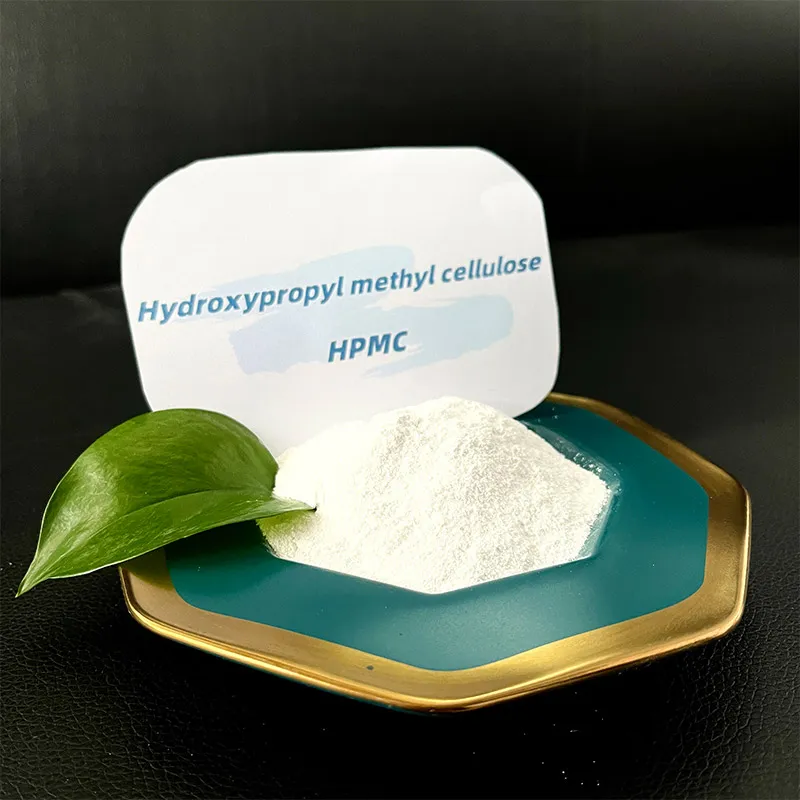
Understanding HPMC Adhesive for Tiles An In-Depth Overview Tile installation is a critical aspect of construction and renovation projects, requiring careful attention to materials and techniques to ensure durability and aesthetic appeal. Among the various adhesives available in the market, Hydroxypropyl Methylcellulose (HPMC) stands out as a popular choice, particularly for its versatility and effectiveness in tile applications. This article explores the properties, advantages, and applications of HPMC adhesives for tiles. What is HPMC? Hydroxypropyl Methylcellulose is a water-soluble polymer derived from natural cellulose. It is widely used in various industries, including construction, pharmaceuticals, food, and cosmetics. In the context of tile installation, HPMC serves as a key component in adhesive formulations, enhancing their performance and usability. Properties of HPMC Adhesives HPMC adhesives are characterized by several essential properties that make them ideal for tile installation 1. Water Retention HPMC has excellent water-retention capabilities, allowing the adhesive to remain workable for an extended period. This feature is crucial during tile applications, where the mortar must remain moist to facilitate proper bonding with the substrate. 2. Improved Workability HPMC adhesives provide a smoother paste consistency, which enhances the workability of the adhesive. This allows for easier spreading, leveling, and adjustment of tiles during installation. 3. Thixotropic Properties HPMC demonstrates thixotropic behavior, meaning it can change its viscosity under stress. This property prevents the adhesive from slumping, ensuring that tiles remain in place once installed. 4. Enhanced Bond Strength HPMC adhesives promote strong adhesion between tiles and various substrates, including concrete, cement, and gypsum. This strength is crucial for the longevity and durability of tiled surfaces. 5. Resistance to Water and Chemicals HPMC adhesives exhibit good resistance to water and various chemicals, making them suitable for wet areas such as bathrooms and kitchens. Advantages of HPMC Adhesives for Tiles The use of HPMC in tile adhesives offers numerous benefits adhesivo para baldosas hpmc - Versatility HPMC adhesives can be used with a variety of tile materials, including ceramic, porcelain, glass, and natural stone. This versatility makes them suitable for a wide range of applications, from residential to commercial projects. - Environmentally Friendly Being derived from natural cellulose, HPMC is considered environmentally friendly. Its water-soluble nature means that it can be cleaned up easily with water, reducing the need for harsh chemicals during application. - Cost-Effective HPMC-based adhesives are often competitively priced, providing an economical solution for tile installation without sacrificing quality or performance. - Ease of Use The user-friendly nature of HPMC adhesives makes them accessible to both professionals and DIY enthusiasts. The combination of easy mixing, application, and cleanup simplifies the installation process. Applications of HPMC Adhesives HPMC adhesives are utilized in various tile installation scenarios, including - Residential Flooring From kitchen backsplashes to bathroom floors, HPMC adhesives provide the necessary bond strength and flexibility required in domestic environments. - Commercial Spaces In retail stores, hotels, and offices, the durability and water resistance of HPMC adhesives ensure that tiled surfaces can withstand heavy foot traffic. - Wet Areas Given their resistance to water, HPMC adhesives are ideal for applications in swimming pools, showers, and other wet environments. - Outdoor Installations HPMC adhesives are suitable for exterior tile applications, provided they are paired with appropriate reinforcement and protection measures to guard against weather elements. Conclusion HPMC adhesives for tiles represent a significant advancement in construction technology. Their unique properties, including excellent water retention, enhanced bonding strength, and versatility, make them a preferred choice among contractors and DIY enthusiasts alike. Whether you're renovating a home or constructing a commercial space, HPMC adhesives ensure that your tile installations are not only aesthetically pleasing but also durable and long-lasting. With continued innovation in adhesive formulations, HPMC is set to play an integral role in the future of tile installation.
-
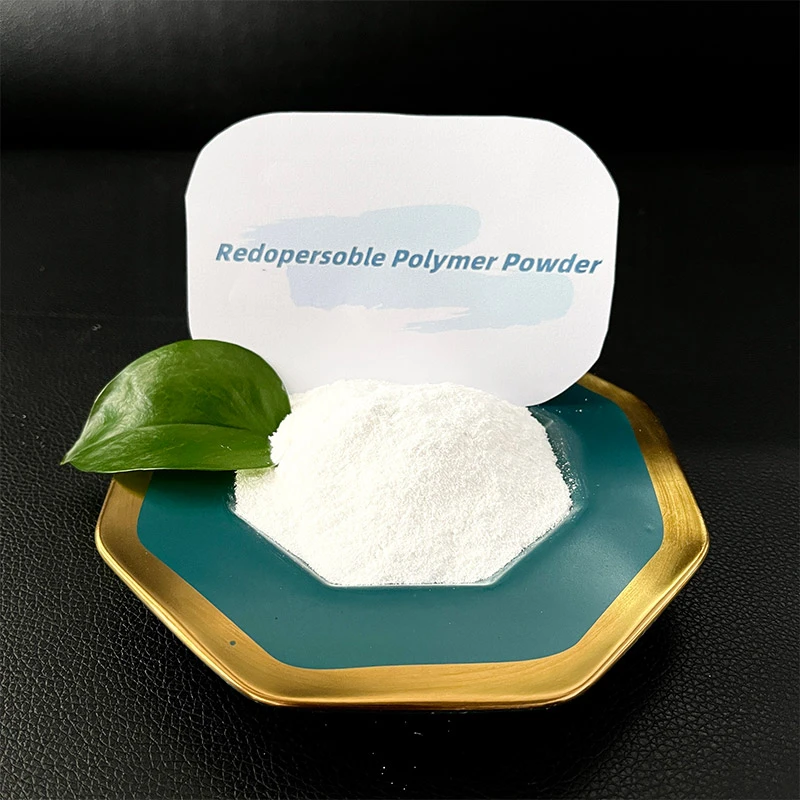
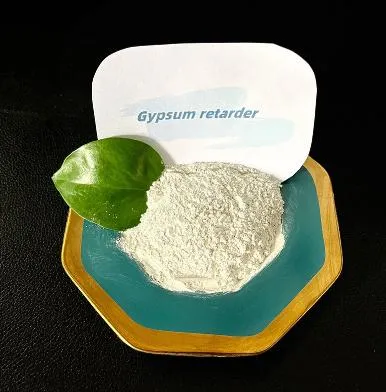
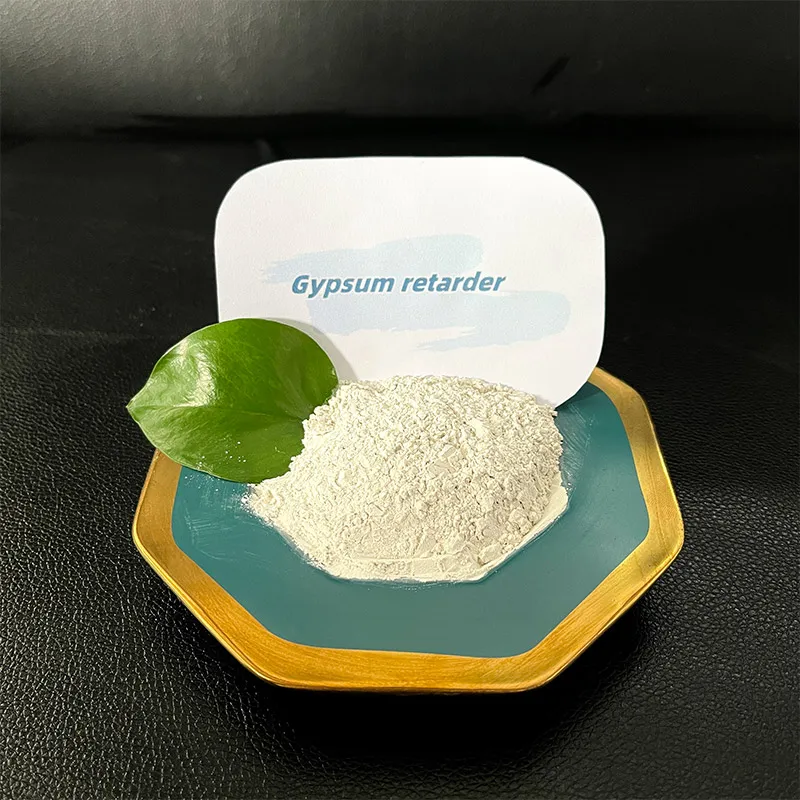
Plaster Retarder & Gypsum Retarder: Industry Trends, Technical Specification, Comparison & Application Insights In the evolving construction chemicals sector, plaster retarder — encompassing gypsum retarder , gypsum plaster retarder , and related chemicals — has become an indispensable additive for modern gypsum-based materials. This in-depth guide explores the core technology, manufacturing process, real-world applications, data-driven performance analysis, and value-driven supplier comparison to help technical buyers and users make informed decisions. 1. Industry Trends: The Rise of Plaster Retarder Solutions According to Markets and Markets [1] , the global construction chemicals market is projected to surpass USD 70 billion by 2026, with plaster retarder as a key segment driven by demand for quality and efficiency. Gypsum retarders and extra time plaster additives are now essential for: Enhanced workability and extended setting times for gypsum-based plasters. Compatibility with mechanized spray applications and automated processes. Reduction of cracking and shrinkage, improving durability. Figure: Global market growth of construction retarders (2017-2026, in USD Billion) . 2. What is Plaster Retarder? Technical Definition & Composition Plaster retarder is a specialty chemical additive—typically organic acids, proteins, or modified starches—designed to delay the setting reaction of gypsum/gypsum plaster (calcium sulfate hemihydrate to dihydrate transition). It enables customized setting time, optimal spreadability, and surface finish. Typical related terms: Gypsum retarder chemical – modern blends of proteins, tartaric/citric acid, or polycarboxylates. Gypsum plaster retarder – tailored for hand or machine application. Extra time plaster additive – formulated for large area jobs, medical plasters, or hot climates. 3. Manufacturing Process: From Raw Material to Advanced Plaster Retarder The quality of plaster retarder is highly dependent on raw material purity, process control, and adherence to international standards (e.g., ISO 9001:2015 , EN 13279 ). Select High-Purity Raw Materials Precise Weighing & Blending Controlled Reactor Synthesis Drying / Spray Drying (ISO-monitored) Sieving & Particle Sizing Quality Control (EN/ISO) Packaging (Moisture-Proof) Key process notes: Raw materials are often chosen according to ANSI/ASTM C472 or ISO 14021 guidelines. After synthesis, batch testing is performed to guarantee setting profiles and impurity control. Manufacturers like BHPM utilize CNC automated mixing to ensure reproducibility and uniform particle morphology for fast solution dispersion and minimal dust. 4. Technical Specification & Parameters: Plaster Retarder vs. Competitors Product Setting Time (min: initial/final) Dosage (%) Solubility pH (1% sol) Chloride Free Lead/Heavy Metals Standards Met BHPM Gypsum Retarder 35-95 / 110-180 0.03–0.15 Instant 6.0-8.0 Yes <0.001% EN 13279, ISO 9001 Protein-Based Retarder (A) 30-80 / 100-170 0.07–0.25 Partial 4.5-7.5 Yes <0.002% EN 13279 Starch Derivative (B) 25-75 / 90-160 0.10–0.20 Moderate 5.0-7.0 Yes <0.002% EN 13279 Citric Acid Solution (C) 18-50 / 60-95 0.15–0.35 Full 2.5-5.0 Yes <0.002% ASTM C472 BHPM Gypsum Retarder demonstrates a superior balance of high activity, low dosage, excellent solubility, and compliance with both EN 13279 and ISO 9001 standards, ensuring consistent performance and international acceptance. Figure: Product setting time and dosage comparison for plaster retarder and substitutes. 5. Technical & Application Advantages Technical Edge **Extra time plaster additive** for hot climate or complex workflow jobsites. Uniform controlled setting for mechanized plastering or 3D prefab. Eco-friendly, formaldehyde-free , chloride-free for LEED or BREEAM projects. High stability: up to 12 months shelf life when properly sealed. Application Benefits Reduces structural shrinkage cracks by ~40% (tested, ISO 679:2009). Allows for larger batch mixing and improved labor productivity. Enhances surface smoothness, adhesion, and machine finish. Improves compatibility with additives (HPMC, water retention agents, wetting agents). Figure: Market share of various plaster retarder technologies (2024, % by category). 6. Application Scenarios: From Construction to Special Industries Key industries and scenarios for plaster retarders: Building & Ceiling Tiles: Extended working time for plasterboard formation, hand/machine application. Decorative Moldings: Complex gypsum crafts, sculptures needing precise setting control. Pipe/Lining/Industrial Fixing: Large-scale installations benefit from delayed set. Medical Field: Plaster bandages and orthopedic casts with safety-tested retarders. Oil & Gas, Metallurgy: Pipe wrap and insulation using customizable retarder profiles. Renovation/Fast-Track Construction: Guarantees on-time finish without stress cracks in fast-paced projects. Case Study: Large Hotel Project (2023, Malaysia) The use of BHPM Gypsum Retarder supported a 20% reduction in labor cost and virtually eliminated setting failures during high humidity season. Client feedback indicated a more consistent finish and improved surface hardness 10 days after application. 7. Manufacturer Comparison It's vital to select a plaster retarder supplier with proven ISO, EN certifications, and robust R&D. See below for a brief comparison: Manufacturer Retarder Type Standards Years in Business Technical Service/Customization Main Markets BHPM Protein-polymer blended ISO 9001, EN 13279 17 Yes (lab, on-site, OEM) Asia, EU, MEA Vicat France Protein EN 13279 20+ Basic EU, Africa KNAUF Polycarboxylate ASTM C472 16 Yes EU, Americas Domestic Brand C Starch None 6 No SEA, Local 8. Customized Solutions & Order Process BHPM Gypsum Retarder offers engineering support for tailored setting times (25–180 min), color adjustments, and packaging (3kg/25kg moisture-proof bags). Each project is reviewed with a technical form to match the best retarder dosage, mixing, and compatibility with other admixtures. OEM and bulk supply services are available. Delivery cycle: Standard orders: 3–7 working days. Custom formulas: 7–14 days. Express global logistics/sea/air options available. Warranty & Service: All shipments include batch test certificates. Unopened products guaranteed for 12 months. Dedicated technical after-sales hotline provides project support within 24 hours. Cooperating Groups: Skanska, China State Construction Engineering, local hospital chains, regional hardware distributors. 9. FAQ: Advanced Plaster Retarder Questions Q1: What is the standard setting time achieved with BHPM gypsum retarder? A: BHPM's plaster retarder can tailor initial setting from 35–95 minutes and final set up to 180 min, based on admixture percentage and ambient conditions, tested per EN 13279/ASTM C472. Q2: What materials are used — is it synthetic or natural? A: BHPM uses food-grade protein-polymers and non-toxic organics, certified under ISO 9001. No hazardous chloro-, formaldehyde, or heavy metal components. Q3: Which industries most benefit from extra time plaster additive? A: Construction (drywall, molding), oil/gas (pipe lagging), medical (plaster bandages), and repair projects with large surfaces or hot climates benefit most. Q4: How is compatibility with other gypsum admixtures ensured? A: Cohesive formula design minimizes interference, and batch samples are tested with HPMC, PVA, methyl cellulose blends for no adverse reactions. Q5: Do you supply technical documentation? A: Yes, each delivery includes a Certificate of Analysis, MSDS, and full TDS. Custom test reports are available on request. Q6: What are the recommended storage and transportation conditions? A: Keep sealed in a dry, cool place (ambient <35°C, RH <60%). Trick moisture triggers gelling. Product is non-hazardous for land/sea/air transport. Q7: What certifications and quality guarantees do you offer? A: BHPM Gypsum Retarder is manufactured under ISO 9001, EN 13279, and tested for EU REACH compliance. Guaranteed 12-month shelf life, performance-monitored by independent labs. 10. Conclusion & References Plaster retarder technology is now integral to the global gypsum industry, offering extended workability, crack prevention, and tailored project performance. Choosing advanced, certified, and well-supported products such as plaster retarder from established manufacturers ensures maximum construction reliability and efficiency. Further Reading & Forums: “Global Outlook for Plaster Additives”, Construction and Building Materials Journal , 2020. “Discussion on Setting Regulators for Gypsum” ( Structurae Engineering Forums ), 2023. “Advances in Gypsum Retarder Chemistry”, ResearchGate Publications , 2021.
advantages
-

200000 Viscosities
Excellent product
We can produce pure products up to 200,000 viscosities
-

40000 tons
High yield
We don’t stop production all year round, and the annual output can reach 40,000 tons
-

24 hours
Quality service
We provide 24-hours online reception service, welcome to consult at any time
———— Inquiry Form
Schedule A services

-
 macro_synthetic_fiber_reinforcement
Oct . 25, 2025
In the world of construction and textiles, innovative materials like polypropylene fiber and acrylic -
 industrial_building_chemical_material
Oct . 25, 2025
Gypsum, a vital component in the construction industry, is transformed through various additives to -
 hydroxy_starch
Oct . 25, 2025
Hydroxypropyl Methylcellulose, commonly referred to by its INCI name HPMC, is an ingredient widely u


